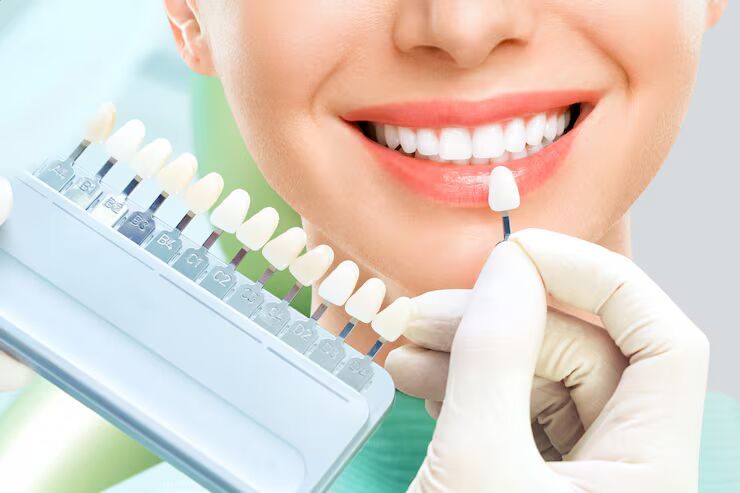

Professional teeth whitening is a dental treatment that helps remove stains and make natural teeth look brighter. Foods, drinks, tobacco, ageing, and some medicines can change tooth colour over time. Whitening products used by a dental professional can lighten many surface stains and some deeper discolouration. The results depend on your natural tooth colour, the type of stains, and the whitening method used. If you are considering professional teeth whitening in Delta, it helps to know what happens during treatment, how long the results may last, and how to care for your teeth afterward. Whitening does not change the colour of crowns, veneers, or fillings, so a dental check is important before starting.
What Happens During Professional Teeth Whitening?
Professional whitening begins with an examination to check your teeth and gums. Cavities, gum problems, or other concerns may need attention before whitening. The dental team will also discuss your goals and explain the likely results.
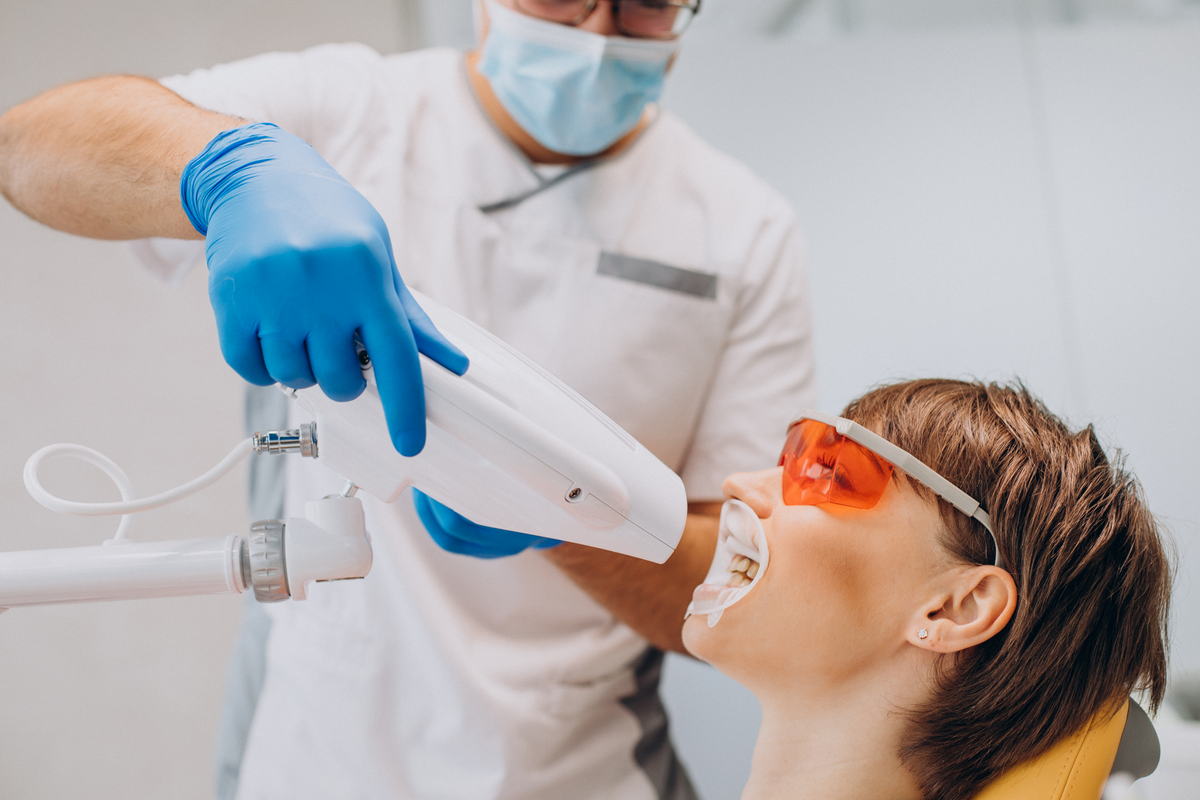
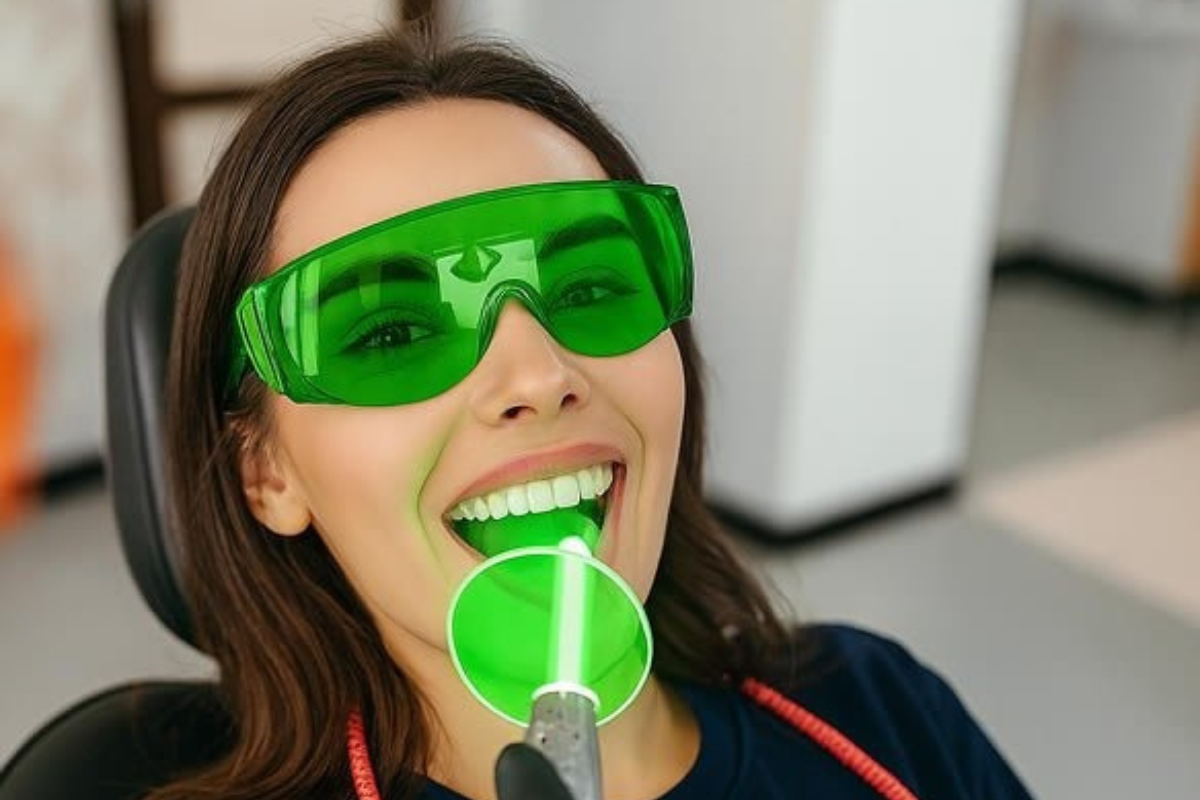
During treatment, the gums and soft tissues are protected before a whitening product is applied to the teeth. Depending on the method, the product may be used for a set amount of time and reapplied as needed. Some treatments use a special light or laser, while others work without one.
The length of the appointment depends on the whitening method and your needs. Professional teeth whitening in Delta can be planned around your tooth colour, oral health, and the level of brightness you hope to achieve.
How Long Does Professional Teeth Whitening Last?
If you are asking how long professional teeth whitening lasts, results often last from several months to around three years. The exact time varies with eating habits, oral hygiene, smoking, and natural changes in tooth colour. Whitening is not permanent, and stains may gradually return.
To help maintain your results:
- Brush twice a day with fluoride toothpaste.
- Clean between your teeth daily.
- Drink water after consuming drinks that may stain teeth.
- Limit frequent coffee, tea, red wine, and dark-coloured foods.
- Avoid tobacco products.
- Attend regular dental checkups and cleanings.
Touch-up treatment may help maintain the shade, but it should be based on your dentist’s advice. Whitening too often can increase sensitivity or irritate the gums.
Is Laser Teeth Whitening Safe?
Many people ask if laser teeth whitening is safe before choosing a treatment. Professional whitening can be safe for suitable patients when used correctly, but the method must be chosen carefully. Laser or light-based systems may be used with whitening products, although the light does not always provide a clear added benefit.
Possible side effects include temporary tooth sensitivity and gum irritation. These effects often settle after treatment, but they may be more noticeable in people who already have sensitive teeth or exposed tooth roots.
A dental professional can check for cavities, cracks, gum problems, and other issues that could make whitening uncomfortable. A dental clinic in Delta can also explain the expected benefits, possible side effects, and whether whitening is suitable for your teeth.
Professional Whitening vs. At-Home Kits
Understanding professional whitening vs. at-home kits can help you choose an option that fits your needs.
Professional whitening: A dental professional checks your oral health, protects your gums, and uses products selected for your treatment.
At-home whitening kits: These may include strips, trays, or whitening gels. Results depend on the product, how it fits, and whether the instructions are followed.
Whitening toothpaste: These products mainly help remove surface stains and usually do not lighten teeth as much as whitening gels.
At-home products can work for some people, but poorly fitting trays or incorrect use may irritate the gums. A dental clinic near you can help you compare options and choose a suitable method.
Brighten Your Smile With a Clear Plan!
A brighter smile starts with knowing what your teeth need and choosing the right whitening treatment. At Delta Centre Laser Cosmetic Dentistry, you can talk about tooth stains, learn how professional whitening works, and get tips to keep your teeth white while keeping your teeth and gums healthy. Take time to learn about your options and what to expect before starting treatment. Book your appointment to make a plan for a brighter smile.
FAQs
How many shades lighter can teeth get with professional whitening?
There is no set number. Some teeth may become several shades lighter, while others may change less. The results depend on the natural colour of your teeth, the type of stains, and the whitening method used.
Does teeth whitening hurt or make teeth sensitive?
Teeth whitening may cause temporary sensitivity or gum irritation. If your teeth are already sensitive, tell your dentist before treatment so they can help make you more comfortable.
How often can you get professional teeth whitening?
The right timing depends on your dental health, the whitening product you use, and how your teeth respond. Follow your dentist’s advice and avoid whitening your teeth too often.
Which foods and drinks can stain teeth after whitening?
Coffee, tea, red wine, dark sauces, berries, and tobacco can stain your teeth over time. Try to limit them and rinse your mouth with water after having them.