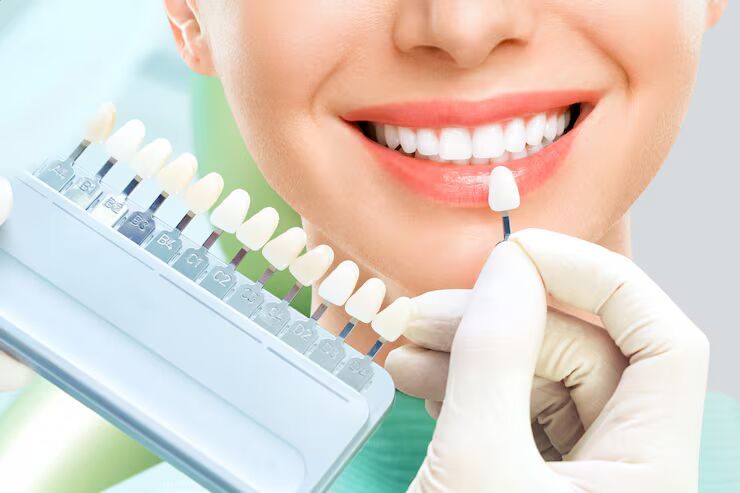
Porcelain veneers are thin covers placed on the front of teeth to improve their colour, shape, size, or appearance. They may help hide stains, small chips, uneven edges, and gaps between teeth. However, veneers are not the right choice for every smile. Their cost, expected lifespan, and the condition of your natural teeth all matter when deciding whether to get them. If you are considering porcelain veneers in Delta, understanding the treatment and the care it requires can help you make an informed choice. Veneers can create a more even-looking smile, but they need daily cleaning and regular dental checkups. The final result also depends on your oral health, bite, and smile goals.
Are Porcelain Veneers Worth It?
Whether veneers are worth the cost depends on what you want to change and how well they suit your teeth. Porcelain veneers can provide a natural-looking finish because their colour and shape can be planned to match the rest of your smile.
They may be worth considering if you want to:
- Cover stains that do not respond well to whitening.
- Improve the shape or size of certain teeth.
- Hide small chips or worn edges.
- Make some gaps less noticeable.
- Create a more even appearance across your front teeth.
However, veneers can be costly, and treatment often involves removing a small amount of enamel. This change is usually permanent. If your main concern is tooth colour, professional whitening may be a simpler option. A dentist in Delta can examine your teeth and explain which treatment may suit your needs.
How Much Do Porcelain Veneers Cost?
The cost of porcelain veneers varies based on the number of teeth treated, the type of porcelain used, the work needed before treatment, and the dental provider’s fees. Treating one tooth will usually cost less than changing the appearance of several teeth.
Other factors that may affect the total cost include:
- Dental exams or X-rays are needed before treatment.
- Treatment for cavities or gum problems.
- Temporary veneers, when required.
- The design and laboratory work were needed to make the veneers.
- Future repairs or replacement.
Ask for a clear treatment plan that explains what is included in the price. Veneers may need replacement over time, so it is helpful to consider long-term costs rather than only the initial fee.
How Long Do Porcelain Veneers Last?
If you are wondering how long porcelain veneers last, they often last around 10–15 years, although some last longer with proper care. Their lifespan depends on your bite, daily habits, oral hygiene, and the quality of the fit.
To help protect your veneers:
- Brush twice daily with a soft-bristle toothbrush.
- Clean between your teeth every day.
- Avoid biting hard objects, such as ice or pen caps.
- Do not use your teeth to open packages.
- Ask about a night guard if you grind or clench your teeth.
- Attend regular dental checkups.
Veneers can chip, crack, loosen, or wear over time. Contact your dental provider if one feels rough, changes position, or causes discomfort.
Porcelain vs. Composite Veneers: What Is the Difference?
Understanding porcelain vs. composite veneers can help you compare the available options. Both can improve the appearance of teeth, but they differ in material, cost, and expected lifespan.
- Porcelain veneers: Made outside the mouth and bonded to the teeth. They often resist stains better and may last longer, but usually cost more.
- Composite veneers: Made from tooth-coloured resin applied directly to the teeth or prepared outside the mouth. They may cost less and can often be repaired more easily, but they may stain or wear sooner.
The right option depends on your budget, the changes you want, and how much tooth preparation is needed. Porcelain veneers in Delta may be suitable if you want a long-lasting change and are willing to commit to the care involved.
What Should You Know Before Getting Veneers?
Veneers work best when your teeth and gums are healthy. If you have cavities, gum problems, or grind your teeth, these issues may need treatment first. Veneers do not stop tooth decay, so you still need to brush, floss, and visit your dentist regularly.
A dentist near you can check how your teeth fit together, discuss what you want to change about your smile, and explain what veneers can and cannot do before you decide.
Take the Next Step Toward Your Smile Goals!
Choosing veneers is a personal choice. It is important to think about how they will look, your dental health, and how to care for them over time. At Delta Centre Laser Cosmetic Dentistry, you can share your concerns, learn about different options, and understand what the treatment involves. Book your appointment to discuss your choices and find a treatment that suits your smile.
FAQs
Do veneers damage your natural teeth?
Placing traditional porcelain veneers usually requires removing a small amount of enamel. This change is generally permanent, so it is important to understand the process before agreeing to treatment.
Can veneers be whitened once they’re on?
No. Porcelain veneers do not whiten like natural teeth. If you are considering whitening, discuss it with your dentist before getting veneers so the shades can be planned together.
How many veneers do you need for a full smile?
There is no set number. Some people need only one or two veneers, while others may choose several to change the appearance of their visible front teeth. The number depends on your smile and goals.
Are veneers permanent or reversible?
Traditional porcelain veneers are generally considered permanent because some enamel is removed during preparation. They may need replacement in the future, so discuss their long-term care before treatment.