
Sleep Apnea Treatment in Delta, BC
Sleep Apnea Treatment Near You
Sleep apnea can interrupt breathing repeatedly during sleep, often without the person realizing it. The most common form, obstructive sleep apnea (OSA), occurs when the upper airway becomes partly or completely blocked during sleep. Loud snoring, gasping, morning headaches, dry mouth, poor concentration, and daytime fatigue can all be signs that breathing is being disrupted at night. At Delta Centre Laser Cosmetic Dentistry, we provide sleep apnea treatment in Delta, BC, for patients who have been diagnosed with obstructive sleep apnea or who are concerned about snoring. Our approach starts with understanding your diagnosis, symptoms, oral health, and current treatment.
Dental care does not replace a medical diagnosis, but it can help manage sleep-related breathing problems for suitable patients. If you are looking for sleep apnea treatment near you, our team can explain the dental options available and how they may fit into your broader sleep care plan.
What Is Obstructive Sleep Apnea?
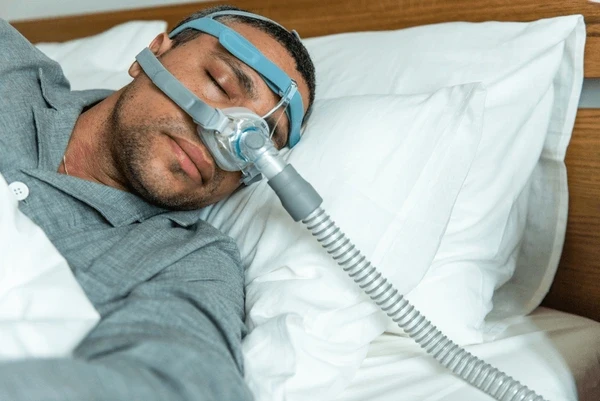
Obstructive sleep apnea happens when the muscles and soft tissues around the airway relax during sleep and interfere with airflow. Breathing may become shallow or stop briefly, causing repeated sleep disruption.
Untreated OSA is associated with health concerns such as high blood pressure, cardiovascular disease, metabolic problems, and daytime sleepiness.
Snoring alone does not automatically mean you have sleep apnea. However, frequent or loud snoring can be a sign of airway obstruction. A physician or sleep specialist can determine whether sleep apnea is present, often with an overnight sleep study or a home sleep test.
Signs You Should Discuss With a Health Professional
You may want to ask about a sleep evaluation if you or your partner notices:
Laser treatment may help lessen pain, burning, or tenderness associated with an active cold sore.
Pauses in breathing during sleep
Gasping or choking at night
Waking with a dry mouth or headache
Feeling unrefreshed despite a full night of sleep
Excessive daytime tiredness
Difficulty concentrating
Frequent nighttime waking
These symptoms can have several causes, so an accurate diagnosis matters before treatment begins.
How Dental Sleep Appliances Work
For some adults with obstructive sleep apnea, a custom oral appliance may be recommended. These appliances hold the lower jaw in a slightly forward position during sleep, which can help keep the airway more open.
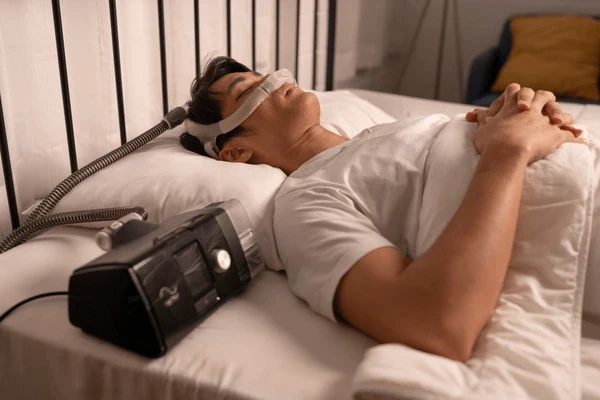
Oral appliance therapy may be considered for adults who cannot tolerate CPAP or who prefer an alternative after discussing treatment with their sleep physician. CPAP remains an important and highly effective option for many patients.
At Delta Centre Laser Cosmetic Dentistry, we assess your teeth, gums, jaw joints, bite, and oral structures before determining whether an appliance is appropriate. We also monitor the appliance over time because long-term use can sometimes affect the bite, teeth, or jaw.
Many patients seek treatment during the earliest stage of an outbreak, when tingling, itching, or burning begins. Early assessment can allow us to determine whether treatment may be helpful before the lesion progresses further.
What About SnoreLase?
Delta Centre Laser Cosmetic Dentistry also offers SnoreLase, a laser-based treatment intended to address selected soft tissues associated with snoring. The treatment uses laser energy on targeted tissues in the mouth and throat.
SnoreLase may be discussed for selected patients with snoring, but snoring should first be evaluated to determine whether obstructive sleep apnea is present. Laser treatment for snoring should not be viewed as a substitute for medical diagnosis, CPAP, or prescribed oral appliance therapy when those treatments are needed.
We will explain what the treatment is intended to address and whether another type of evaluation or care should come first.
What to Expect From Dental Sleep Apnea Care
If you visit us after receiving a sleep apnea diagnosis, we begin by reviewing your medical and dental history, current sleep treatment, symptoms, and any concerns with current therapy.
Your dental assessment may include:
Examining your teeth and gums
Evaluating your bite and jaw movement
Checking the health of the jaw joints
Reviewing available sleep-study information
Discussing previous treatment
Determining whether your mouth can safely support an oral appliance
Follow-up is important so we can make adjustments and monitor possible dental or jaw-related side effects. We may also recommend follow-up sleep testing to confirm that treatment is working effectively.
Why Choose Delta Centre Laser Cosmetic Dentistry for Sleep Apnea Care?
Sleep-related breathing concerns require careful coordination rather than a one-size-fits-all approach. If you are looking for a dentist in Delta, BC, who provides dental sleep care, our team focuses on clear explanations and treatment that fits into your existing medical plan.
Ongoing care in one office can also make it easier to monitor your teeth, gums, bite, and jaw while you use a sleep appliance. If you are searching for a dentist near you, our practice has served the Delta community for 35 years.
We are known for taking dental anxiety seriously. If you feel nervous in the dental chair, tell us. We will explain each step and work at a pace that feels manageable.
Take the Next Step Toward Better Sleep
If you have been diagnosed with obstructive sleep apnea and want to know whether a dental appliance may be appropriate, contact Delta Centre Laser Cosmetic Dentistry. If you have not been diagnosed but are concerned about loud snoring, gasping, or other possible signs of sleep apnea, we can discuss the importance of a medical sleep evaluation.
Our team provides sleep apnea treatment near you with an emphasis on comfort, follow-up, and coordination with your medical care. Call us at (604) 597-8255 to arrange a consultation.
Frequently Asked Questions
Can a dentist diagnose sleep apnea?
No. Obstructive sleep apnea is a medical condition that should be diagnosed by a physician or qualified sleep specialist, usually with appropriate sleep testing. A dentist can screen for possible signs and provide dental treatment such as a custom oral appliance when appropriate.
Is an oral appliance the same as CPAP?
No. CPAP uses pressurized air to keep the airway open, while an oral appliance changes the position of the jaw to help maintain airway space. CPAP is generally more effective at reducing breathing events, but oral appliance therapy can be useful for selected patients.
Can an oral appliance help with snoring?
Yes. Oral appliances can reduce snoring in many adults by helping keep the airway open. However, frequent snoring should be evaluated first because it may be a sign of obstructive sleep apnea.
Is SnoreLase a cure for sleep apnea?
No. SnoreLase may be considered for selected patients with snoring, but it should not be described as a cure for obstructive sleep apnea. If you have diagnosed sleep apnea, treatment should follow your sleep physician’s recommendations.