
Apicoectomy (Apical Surgery) in Delta, BC
Apicoectomy (Apical Surgery) Near You
A tooth that has already had root canal treatment can sometimes develop persistent inflammation or infection around the tip of the root. When the tooth is otherwise worth saving, apical surgery may be considered instead of removing it.
At Delta Centre Laser Cosmetic Dentistry, we provide apicoectomy (apical surgery) in Delta, BC, when a problem remains around the root tip after root canal treatment or when conventional retreatment may not be the best option. Our team evaluates the tooth carefully before recommending surgery.
If you are looking for apicoectomy (apical surgery) near you, we will examine the tooth, review appropriate dental imaging, and determine whether apical surgery may help preserve it.
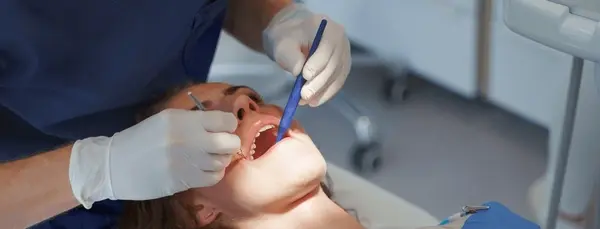
What Is an Apicoectomy?
An apicoectomy is a minor surgical procedure used to treat the area around the tip of a tooth root. It is usually considered after root canal therapy when inflammation or infection persists in the tissues surrounding the root end.
During the procedure, we access the root tip through the gum, remove the affected tissue and a small portion of the root end, and seal the end of the canal. The goal is to address the source of the problem while keeping the natural tooth in place.
An apicoectomy is different from root canal therapy. Root canal treatment works from inside the tooth, while apical surgery reaches the root tip from the surrounding tissue.
When Might You Need Apical Surgery?
Apical surgery may be considered when a previously treated tooth continues to cause problems or shows signs of persistent disease around the root tip.
Possible reasons include:
Persistent infection or inflammation after root canal treatment
A problem near the root tip that cannot be reached predictably through the crown of the tooth
Complex root anatomy that makes conventional retreatment difficult
A small fracture or defect near the root end that needs direct evaluation
Symptoms or changes on dental imaging that remain after previous treatment
Not every tooth with symptoms after a root canal needs surgery. In some cases, root canal retreatment may be appropriate. In others, the tooth may be too damaged to save. We compare the available options before recommending treatment.
What Happens During an Apicoectomy?
When we provide apicoectomy (apical surgery) in Delta, BC, treatment begins with a careful assessment of the tooth and surrounding area.
The procedure may include:
Numbing the Area
Local anaesthetic is used to keep the surgical site comfortable.
Accessing the Root Tip
A small opening is made in the gum so we can reach the end of the root.
Removing Affected Tissue
Inflamed or infected tissue around the root tip is removed.
Trimming the Root End
A small portion of the root tip may be removed.
Sealing the Root
The end of the canal may be sealed to help reduce the chance of bacteria re-entering the area.
Closing the Site
The gum is repositioned, and stitches may be placed.
Reviewing Aftercare
We explain how to care for the area while it heals.
The exact steps depend on the tooth, root anatomy, and reason for surgery.
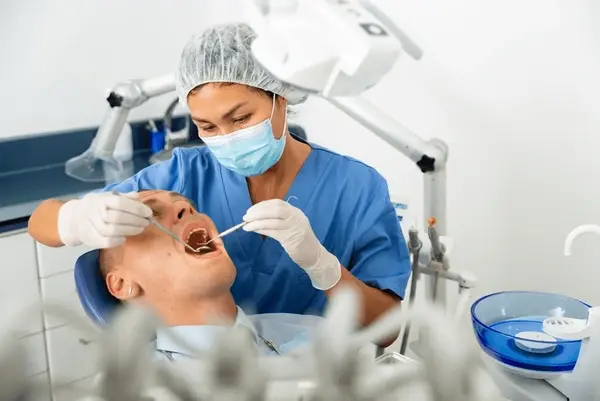
What Is Recovery Like After Apical Surgery?
Some tenderness and swelling are normal after an apicoectomy. These symptoms usually improve as the tissues heal.
We may recommend that you rest after the procedure, keep the area clean as directed, avoid disturbing the surgical site, and take medications only as instructed. A cold compress on the outside of the face may help with swelling during the early recovery period.
If stitches are placed, we will let you know whether they need to be removed or will dissolve on their own.
Contact us if you develop increasing swelling, fever, uncontrolled bleeding, or pain that becomes significantly worse rather than gradually improving.
Can an Apicoectomy Save a Tooth?
An apicoectomy is intended to preserve a natural tooth when the problem is limited to the area around the root tip and the rest of the tooth can still be restored and supported.
However, no procedure can guarantee that a tooth will be saved. The result depends on factors such as the condition of the tooth, the extent of infection or damage, root anatomy, gum and bone support, and how the area heals.
If the tooth is severely fractured or lacks enough support, extraction may be a more predictable option. We explain this before treatment so you understand the alternatives.
Why Choose Delta Centre Laser Cosmetic Dentistry for Apical Surgery?
Delta Centre Laser Cosmetic Dentistry has served the Delta community for 35 years and provides root canal therapy, apical surgery, restorative care, surgical extractions, bone grafting, and dental implants in-house.
If you are looking for a dentist near you for a tooth that hasn’t healed as expected after root canal treatment, our team can assess it and discuss whether retreatment, apical surgery, or another option is appropriate.
Patients visiting our dental clinic in Delta, BC, can also expect clear explanations, coordinated care, and an anxiety-friendly approach. Keeping multiple services within the same practice lets us coordinate the surgical and restorative stages when needed.
We accept the Canadian Dental Care Plan (CDCP) and major dental insurance plans. Coverage varies by plan and treatment.
Schedule Apicoectomy (Apical Surgery) Near You
Don’t ignore persistent pain, swelling, or changes around a previously treated tooth; have it evaluated. An examination can help determine whether the tooth can still be preserved.
At Delta Centre Laser Cosmetic Dentistry, we provide apicoectomy (apical surgery) near you with careful diagnosis, surgical planning, and follow-up care. Call 604-597-8255 to schedule an appointment at 7337 120 St, Delta, BC V4C 1C9.
Frequently Asked Questions
Is an apicoectomy the same as a root canal?
No. Root canal therapy treats the inside of the tooth and its canals. An apicoectomy is performed through the gum to treat the tissues and root tip at the end of the tooth.
Does an apicoectomy hurt?
Local anaesthetic is used to numb the surgical area. You may feel pressure during treatment, and some soreness or swelling afterward is normal.
How long does it take to heal after an apicoectomy?
The gum tissue usually begins healing relatively quickly, while deeper bone healing takes longer. Recovery varies depending on the tooth, the extent of surgery, and individual healing.
Can infection return after apical surgery?
Yes, it is possible. Reinfection, cracks, or other problems can sometimes affect the tooth after treatment. Regular follow-up helps us monitor healing.
What happens if an apicoectomy is not successful?
If the tooth does not heal or cannot be preserved, extraction may eventually be necessary. We will discuss replacement options if that becomes the most appropriate next step.