
Bruxism (Teeth Grinding) Treatment in Delta, BC
Bruxism (Teeth Grinding) Treatment Near You
Occasional grinding or clenching may not be a problem, but repeated pressure can gradually wear enamel, damage restorations, and strain the jaw muscles. Because bruxism often happens during sleep, many people don’t realize they are doing it until a dentist notices tooth wear or they wake up with jaw discomfort. At Delta Centre Laser Cosmetic Dentistry, we provide bruxism (teeth grinding) treatment in Delta, BC, for patients who show signs of clenching, grinding, or excessive tooth wear.
If you are looking for bruxism (teeth grinding) treatment near you, we can determine whether a custom night guard or another approach may be appropriate. We assess your teeth, bite, jaw muscles, symptoms, and existing dental work before recommending treatment.
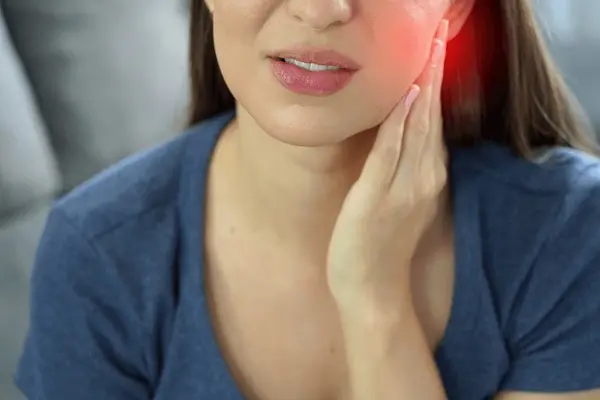
What Is Bruxism?
Bruxism is repeated grinding, clenching, or tightening of the teeth and jaw. It can happen while you are awake or during sleep.
Awake bruxism often involves clenching during concentration, stress, or other daily activities. Sleep bruxism occurs while you are asleep and may be harder to recognize without signs found during a dental examination or observations from a sleeping partner.
What Are the Signs of Teeth Grinding?
Possible signs include:
Flattened, chipped, or worn tooth surfaces
Small cracks or fractures
Damaged fillings, crowns, or other restorations
Jaw tightness or tired facial muscles
Tooth sensitivity
Morning jaw discomfort
Headaches around the temples
Grinding sounds noticed by a sleeping partner
These symptoms can have other causes, so an examination is important before assuming bruxism is responsible.

What Causes Bruxism?
There is not always a single identifiable cause. Stress and tension may contribute to awake clenching, while sleep bruxism can be associated with several sleep, lifestyle, medication, and health-related factors.
Some medications, alcohol, caffeine, smoking, and disrupted sleep may also influence grinding. Sleep bruxism can occur alongside sleep-related breathing disorders, but grinding alone does not mean you have sleep apnea.
If your symptoms suggest another condition may be involved, we can discuss whether further medical or sleep assessment is appropriate.
How Do We Diagnose Bruxism?
When we provide bruxism (teeth grinding) treatment in Delta, BC, we begin with a careful examination rather than relying on a single symptom.
We may:
Review Your Symptoms
We ask about jaw soreness, headaches, sensitivity, sleep habits, and grinding.
Examine Your Teeth
We look for wear, cracks, fractures, and enamel changes.
Check Restorations
We examine fillings, crowns, bridges, and other dental work for signs of excessive force.
Assess Your Bite
We look at how your teeth meet and whether some areas appear to be under greater pressure.
Evaluate Jaw Muscles
We may check for tenderness or tightness in the muscles used for chewing.
Our dentist in Delta, BC, can also help distinguish grinding-related damage from other causes of tooth wear, sensitivity, or jaw discomfort.
How Is Bruxism Treated?
Treatment depends on the type and severity of bruxism, the condition of your teeth, and whether another factor contributes.
For many patients, a custom night guard protects the teeth during sleep. The appliance creates a barrier between the upper and lower teeth, helping reduce direct tooth-to-tooth wear and protecting restorations from excessive forces.
A night guard does not necessarily stop the grinding habit itself, and it does not treat every possible cause of bruxism. Its main role is to protect the teeth and dental work while we continue to monitor your symptoms.
Depending on your situation, we may also discuss habits that contribute to daytime clenching or whether another healthcare provider should be involved.
What Is a Custom Night Guard?
A custom night guard is made to fit your teeth rather than using a generic one-size-fits-all design.
At Delta Centre Laser Cosmetic Dentistry, our two Primescan intraoral scanners can capture a digital record of your teeth, and our in-house 3D printer can be used to create night guards and patient models.
A well-fitted appliance should feel secure while protecting vulnerable tooth surfaces during sleep.
Can Bruxism Damage Dental Restorations?
Yes. Repeated grinding or clenching can place significant pressure on fillings, crowns, veneers, bridges, and implant restorations. Over time, this may contribute to chipping, cracking, loosening, or excessive wear.
If damage has occurred, we assess the restoration and surrounding tooth before recommending repair or replacement.
Can Children Grind Their Teeth?
Yes. Teeth grinding can occur in children as well as adults. In many cases, childhood grinding changes as the teeth and jaws develop.
A child who grinds does not automatically need treatment. We consider age, symptoms, tooth wear, dental development, and other factors before recommending an appliance or other care.
If you are concerned about your child’s grinding, mention it during their dental visit so we can check for signs of wear or other problems.
Why Choose Delta Centre Laser Cosmetic Dentistry for Bruxism Care?
Delta Centre Laser Cosmetic Dentistry has served the Delta community for 35 years and provides comprehensive care in one practice.
When visiting our dental clinic near you, you can expect:
Evaluation of tooth wear, bite, and jaw symptoms
Custom night guards when appropriate
Digital scanning with Primescan technology
In-house 3D printing for selected appliances
Monitoring of crowns, fillings, and other restorations
Restorative treatment when grinding has damaged a tooth
Clear explanations before treatment begins
An anxiety-friendly approach
We accept the Canadian Dental Care Plan (CDCP) and major dental insurance plans. Coverage varies by plan, eligibility, and treatment.
Schedule an Appointment for Bruxism Care
Grinding and clenching can be easy to overlook until you notice visible wear, sensitivity, or jaw discomfort. An examination can help determine whether your symptoms are related to bruxism and whether you need treatment. At Delta Centre Laser Cosmetic Dentistry, we provide bruxism (teeth grinding) treatment near you based on your symptoms, dental condition, and individual needs.
Call 604-597-8255 to schedule an appointment at 7337 120 St, Delta, BC V4C 1C9.
Frequently Asked Questions
Can a Night Guard Stop Me From Grinding My Teeth?
Not necessarily. A night guard is mainly designed to protect the teeth and restorations from grinding or clenching. It does not always eliminate the habit itself.
Do I Need a Night Guard If I Grind My Teeth?
Not everyone who grinds needs one. We assess your symptoms, tooth wear, restorations, bite, and overall oral health before recommending an appliance.
Can Bruxism Cause Headaches?
Bruxism may contribute to headaches, particularly around the temples, in some people. However, headaches have many possible causes, so persistent or unusual headaches should not automatically be attributed to teeth grinding.
How Long Does a Night Guard Last?
Its lifespan varies depending on the material, how heavily you grind, and how well you care for it. We check the fit and condition during routine visits and recommend replacement when necessary.
Should I Use an Over-the-Counter Night Guard?
Over-the-counter guards may not fit or function the same way as a custom appliance. If you have tooth wear, jaw discomfort, or damaged restorations, an examination can help determine which option is appropriate.