
Dental Sealants in Delta, BC
Dental Sealants Near You
The grooves on back teeth can be difficult to clean thoroughly, even with regular brushing. Food and bacteria may collect in these areas and increase the risk of cavities, particularly in children and teens whose newly erupted permanent molars have deep pits and grooves. Sealants create a thin protective layer over vulnerable chewing surfaces, making these areas easier to keep clean. At Delta Centre Laser Cosmetic Dentistry, we provide dental sealants in Delta, BC, for children, teens, and selected adults who may benefit from added protection against tooth decay.
If you are looking for dental sealants near you, we will examine your teeth and determine whether sealants are appropriate based on the tooth surface, cavity risk, and existing dental health.
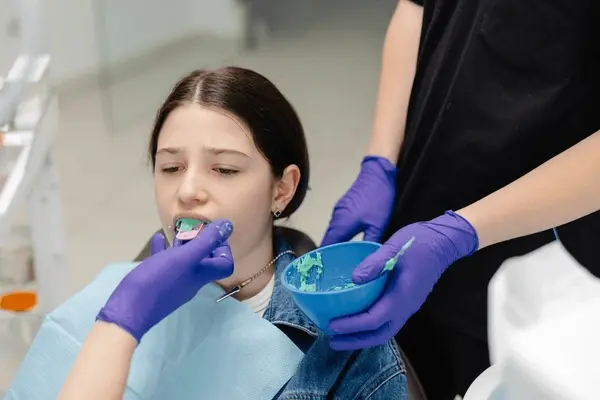
What Are Dental Sealants?
Dental sealants are thin protective coatings placed over the pits and grooves of selected teeth, usually molars and premolars. These grooves can be narrow enough that toothbrush bristles cannot always reach them effectively.
Once applied, the sealant forms a barrier over the chewing surface and helps prevent food and bacteria from settling into these areas.
Sealants are preventive. They do not restore tooth structure already damaged by an established cavity. If decay is present, we will determine whether the tooth needs a filling or another treatment instead.
Who May Benefit From Dental Sealants?
Sealants are commonly used for children and teens, particularly after permanent molars erupt. However, adults with healthy but deeply grooved teeth may also benefit in selected cases.
We may recommend sealants for:
Newly erupted permanent molars
Teeth with deep pits or grooves
Children or teens with a higher cavity risk
Areas that are difficult to clean effectively
Selected baby teeth when deep grooves create a higher risk of decay
Adults with cavity-prone grooves that have not already been restored
Not every tooth needs a sealant. We consider the condition of the tooth, existing restorations, cavity history, and overall oral hygiene before making a recommendation.
How Are Dental Sealants Applied?
When we provide dental sealants in Delta, BC, we usually take the following steps:
Examining the Tooth
We make sure the surface is suitable for a sealant and doesn’t have decay that requires restorative treatment.
Cleaning the Surface
We clean the tooth, so plaque and debris do not remain underneath the sealant.
Preparing the Enamel
We briefly apply a conditioning material to help the sealant bond to the tooth.
Applying the Sealant
We paint the material into the grooves of the chewing surface.
Hardening the Material
We may use a curing light to set the sealant.
Checking the Bite
We make sure the treated tooth feels comfortable when you bite.
The procedure is usually simple and doesn’t require drilling or local anaesthetic.

Do Dental Sealants Replace Fluoride?
No. Sealants and fluoride protect teeth in different ways.
Sealants create a physical barrier over vulnerable grooves on selected tooth surfaces. Fluoride helps strengthen enamel and can make teeth more resistant to acids produced by oral bacteria.
Depending on your cavity risk, your preventive care plan may include both. Neither replaces regular brushing, cleaning between the teeth, or professional dental care.
How Long Do Dental Sealants Last?
Sealants can remain in place for years, but they are not permanent. Normal chewing forces can gradually wear them down or cause small chips.
We check existing sealants during routine dental examinations. If part of a sealant has worn away, we may recommend repairing or replacing it.
Good oral hygiene remains important even when sealants are present because other tooth surfaces can still develop cavities.
Can Adults Get Dental Sealants?
Yes. Sealants are not limited to children.
An adult with deep grooves, a history of cavities, or difficulty keeping certain chewing surfaces clean may benefit from sealants if the teeth are otherwise suitable.
If you are looking for a dentist near you to review your cavity risk, we can assess whether sealants or another preventive approach makes sense for your teeth.
How Can You Help Protect Your Teeth After Sealants?
Sealants do not require complicated maintenance. Continue brushing twice a day with fluoride toothpaste and cleaning between your teeth regularly.
Try to limit frequent exposure to sugary foods and drinks, since cavities can still develop on areas of the tooth that are not covered by sealant.
Regular dental visits allow us to check the sealants and identify areas that may need additional preventive care.
Why Choose Delta Centre Laser Cosmetic Dentistry for Preventive Care?
Delta Centre Laser Cosmetic Dentistry has served the Delta community for 35 years and provides preventive dental care for children, teens, and adults.
When visiting our dental clinic in Delta, BC, you can expect:
Dental sealants for suitable teeth
Professional cleanings
Fluoride treatment when appropriate
Dental exams and diagnostics
Home-care and diet guidance
Preventive care for children and adults
An anxiety-friendly approach
Ongoing monitoring of sealants and cavity risk
We also provide restorative, periodontal, pediatric, surgical, implant, and laser dentistry in-house if additional treatment is needed.
We accept the Canadian Dental Care Plan (CDCP) and major dental insurance plans. Coverage varies by plan, age, eligibility, and treatment.
Schedule Dental Sealants Near You
Deep grooves don’t automatically mean a tooth will develop a cavity, but sealants can provide extra protection in areas that are hard to clean. At Delta Centre Laser Cosmetic Dentistry, we provide dental sealants near you based on your age, tooth anatomy, cavity history, and individual risk factors.
Call 604-597-8255 to schedule an appointment at 7337 120 St, Delta, BC V4C 1C9.
Frequently Asked Questions
Do dental sealants hurt?
No drilling is usually required, and local anaesthetic is generally unnecessary. The tooth is cleaned and prepared before the sealant material is applied.
Can a sealant be placed over a cavity?
Sealants are intended to protect suitable tooth surfaces before significant decay develops. If an established cavity is present, the tooth may require a filling or another treatment instead.
Are dental sealants only for permanent teeth?
No. Sealants may sometimes be recommended for baby teeth with deep grooves and a higher risk of decay. We assess each tooth individually.
Can you still get a cavity after having sealants?
Yes. Sealants protect only the surfaces they cover. Cavities can still develop elsewhere, so brushing, fluoride, cleaning between teeth, and regular dental care remain important.
Are dental sealants covered by insurance or the CDCP?
Coverage depends on age, eligibility, frequency limits, and your individual plan. Our team can help you review available coverage before treatment.